

Insects as medicine and healthcare
- Entomotherapy is the term used to describe the use of insects in medicine [1,2]. This practice, deeply rooted in traditional knowledge, is increasingly being explored for its pharmacological potential and biotechnological applications [3].
- In Malaysia, insects are also used as medication and to maintain health. In comparison to smaller nations, China has shown greater efforts in the documentation of insect species. The study and documentation of chemical compounds present in insects should be further developed so that all the information is substantiated and validated by science. The use of insects in medicine could eventually overtake traditional medicine in importance [4].
- For example, when the cicada species, Dunbudia vaginata (Figure 1,2) dries, the Chinese people in Kahang use it as medicine by combining it with herbs. Among Indian communities, the presence of this insect is traditionally interpreted as a sign of famine or food scarcity, showcasing how cultural beliefs shape human-insect relationships. Insects can be employed for aesthetic purposes. In certain regions of Malaysia, particularly among rural and indigenous communities, Erionata thrax larvae (Figure 3) are used to whiten and smooth the skin. This demonstrates the aesthetic and dermato-therapeutic uses of insects beyond internal medicine [4].
- Several works by research teams from the Forestry Department of Sabah have shown that insects had been used for medication among several ethnic groups in Sabah. Ethnic groups in Sabah from the Ranau, Tambunan and Telupid areas still practice entomotherapy. The ethnic groups that practice entomotherapy in these areas consist of Malays, Orang Sungai, Chinese, Kadazandusun and Lundayeh [5].
- Despite limited Malaysian research, many insects used in entomotherapy have been found to contain bioactive compounds such as antimicrobial peptides (AMPs), chitosan (from exoskeletons), alkaloids and terpenes and cantharidin (in blister beetles). These compounds have proven pharmacological effects, such as: antibacterial and antifungal, anti-inflammatory, wound healing, and antioxidant properties [6].
- Chitin and chitosan, found in beetles and crickets, are especially valuable in modern wound dressings, drug delivery systems, and even anti-cancer therapies [7].
- Below are descriptions of some insect’s species used as traditional medicine in Malaysia (Table 1)
| Vernacular Name | Scientific Name | Family | Descriptions |
| English: Dung Beetles Malay : Kumbang najis Kadazandusun:Kuzung/serung |
Catharsius molossus | Scarabaeidae | Roasted, ground into powder form, mixed in warm water and given to children with asthmatic problems. It can be used to remove splinters lodged into the skin by placing crushed beetle onto the injured skin for a few days to induce formation of pus to enable splinters to come out easily [8]. |
|
English: Weevils
Malay: kumbang sukarno Kadazandusun: bubuk Lundayeh: buong darah |
Palembus dermestoides | Dermestoidae | Roasted, ground into powder form, mixed in warm water and given to children with asthmatic problems. It can be used to remove splinters lodged into the skin by placing crushed beetle onto the injured skin for a few days to induce formation of pus to enable splinters to come out easily [8]. |
| English: Larvae of sago beetles Malay: Ulat sago Sungai: Tentaru |
Rhynchophorus ferrugineus | Scarabaeidae | Grub is boiled and stir-fried – claimed to treat diarrhoea. Some populations in Sabah consume it raw to treat mild tuberculosis [8]. |
| English: Cockroaches | Periplaneta Americana (Figure 4) | Blattidae | Crushed, mixed with oil and applied in small quantity onto a child’s the tongue for fever. The body is boiled with shallots, crushed and filtered and mixed with Chinese herbs believed to treat dilatation of the stomach. Cockroach cooked, grounded and mixed with boiled water and drank is believed to treat asthma [8]. |
| English: Water strider kadazandusun: Tampukau-kau |
Gerris sp. | Gerridae | Squashed on a spoon and mixed with warm water and drank to accelerate formation of blisters and hasten alleviation chickenpox. Crushed and rubbed at the back of body to relieve back pain or onto forehead to relieve fever. Child is bathed with water containing crushed bugs to counteract fear in children [8]. |
| English: Cicada Malay:Riang-riang Sungai:Temengil |
Pompunia merula | Cicadidae | The skin of pupae is shed and boiled with other herbs, while the died worms or caterpillars were used for fever and stomach ache [8]. |
| English: Honeybee Malay: Lebah madu Sungai: Lebah |
Apis dorsata Apis cerana (Figure 5) |
Apidae | Honey is drank with plain water or taken with raw egg yolk, lime or slices of onion and ginger to treat several illnesses including to clean ulcers, diarrhea, cough and throat maladies. Honeybee venom helps to boost immune system. Bee-wax is used as balm for lips. Propolis contains antiseptic properties to suppress growth of bacteria, viruses, fungi and molds. The mud nest is used to treat headache by placing the insect on the forehead and clean pus by putting them on swollen part [8]. |
| English: Termites | Micotermes obes/ Macrotermes esherae/ Odontermes formosanus |
Isoptera | The termite queen is consumed raw as an aphrodisiac. It is also believed to control asthma and relieve joint pain. The South Indian tribe used termites to treat asthma [8]. |
| English: Carpenter bee | Xylocopa spp. | Apidae | Carpenter bee is boiled with herbs and drank for sore throats [9]. |
| English: Stick insects | Phasmatodea | Phasmatidae | Stick insects are reared for the medicinal use of their feces-technically referred to as frass. The frass is dried and mixed with herbs to treat asthma, upset stomach, and muscle pain [10]. |
| English: Greater banded hornet Malay: Tebuan tanah |
Vespa affinis | Vespidae | Nests are boiled, while venom is not commonly extracted for traditional use. However, in some Orang Asli remedies, these insects are used for pain relief and anti-inflammatory purposes. The venom is believed to have medicinal value [11]. |
| English: Weaver ants | Polyrhachis dives | Formicidae | Ants are roasted and consumed or prepared as tonics to boost stamina, treat back pain, and enhance male virility [11]. |
| English: Grasshopper | Oxya hyla/Valanga nigricornis | Acrididae | Grasshoppers are fried or roasted to treat respiratory illnesses and as a source of energy. Sometimes, grasshoppers are pounded and applied to swellings [11]. |
| English: Fire ants Malay: Semut merah/ Semut gatal |
Solenopsis spp. | Formicidae | Sting and venom are used traditionally by indigenous communities to improve circulation and relieve joint pain through controlled stinging or topical application [11]. |
| English: Moth caterpillar | Thitarodes spp. (Cordyceps host) | Hepialidae | Cordyceps-infected caterpillars are uncommon but have been found in forested regions. They are used to treat fatigue, respiratory problems, and to strengthen immunity. [11]. |
| English: Stingless bees Malay: Kelulut |
Trigona spp. | Apidae | Honey (madu kelulut) is widely used for cough, skin ailments, sore throat, and wound healing. Also used as an immune booster and antioxidant [11]. |
| English: Antlion larvae | Myrmeleontidae family | Myrmeleontidae | The larvae are crushed and applied to insect bites and stings, as they are believed to draw out poison and reduce swelling. This practice is commonly used in Southeast Asia [11]. |
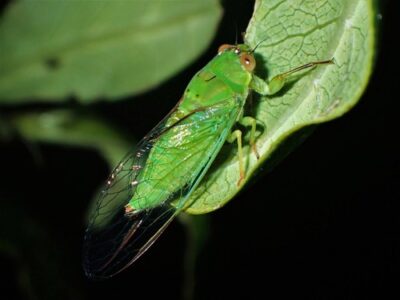
Figure 1: A green cicada, Dunbudia vaginata. Source: iNaturalist
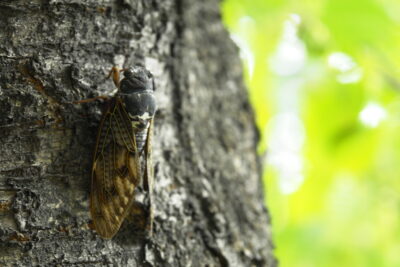
Figure 2: A brown cicada. Source: iNaturalist
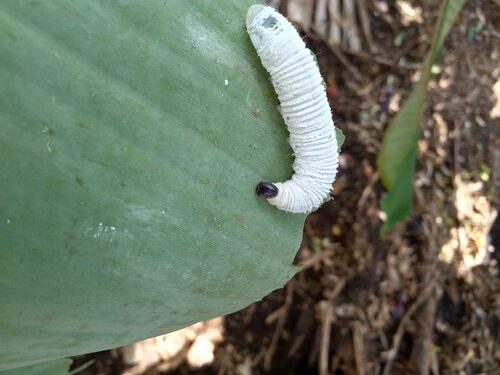
Figure 3: Erionata thrax larvae. Source: iNaturalist
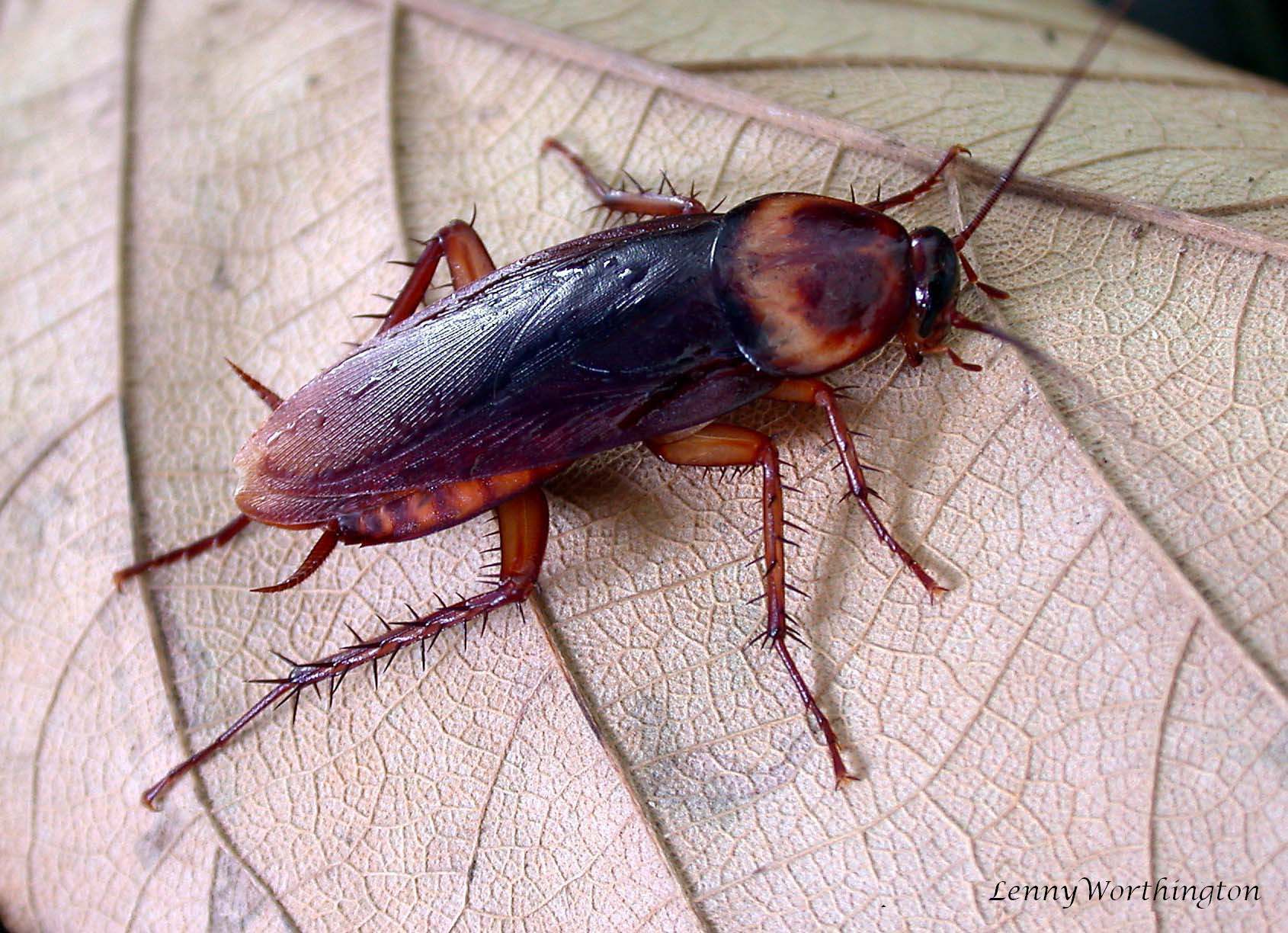
Figure 4: Periplaneta americana is a common cockroach found in houses especially in an urban setting in Malaysia. Source: iNaturalist
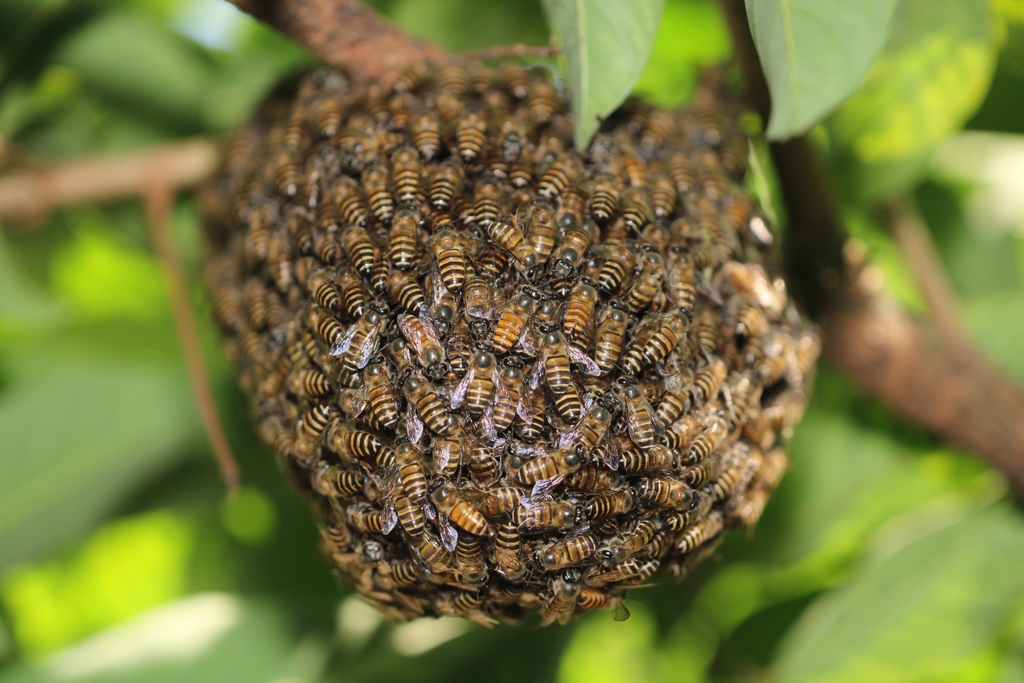
Figure 5: Apis cerana domesticated to produce several products, the best known are honey and brood. Source: iNaturalist
References:
- Costa-Neto EM. Entomotherapy, or the medicinal use of insects. J Ethnobiol. 2005;25(1):93-114.
- Siddiqui SA, Mishra A, Rajoriya V, Sharma H, Garg V, Tomar A, et al. Unravelling the potential of insects for medicinal purposes. Heliyon. 2023;9(5):e15425.
- Chantawannakul P, et al. From entomophagy to entomotherapy. Front Biosci. 2020;25:179-200.
- Jai Kemalok et al 2019 IOP Conf. Ser.: Earth Environ. Sci. 269 012024
- Mashitah MY, Maryati M, Hainidah J. Preliminary study on ethnozoology of the Lower Kinabatangan Orang Sungai. In: Mohamed M, Takano A, Goossen B, Indran R, editors. Crocker range: Scientific Expedition 2002. Universiti Malaysia Sabah, Sabah: 2004; p. 143.
- Ratcliffe NA, Mello CB, Garcia ES, Butt TM, Azambuja P. Insect natural products and processes: new treatments for human disease. Insect biochemistry and molecular biology. 2011 Oct 1;41(10):747-69.
- Jayakumar R, Prabaharan M, Kumar PS, Nair SV, Tamura HJ. Biomaterials based on chitin and chitosan in wound dressing applications. Biotechnology advances. 2011 May 1;29(3):322-37.
- Chung AYC, Khen CV, Unchi S, Tingek S, Won A. A survey on traditional uses of insects and insect products as medicine in Sabah. Malaysian Naturalist. 2001;55(1):24-29.
- Sabri NSA, Kamardan MIF, Wong SX, Azman NF, Md Akhir FN, Othman N, et al. Future aspects of insects’ ingestion in Malaysia and Indonesia for human well-being and religion regulation. Future Foods. 2023;8:100267.
- Dossey AT. Insects and their chemical weaponry: new potential for drug discovery. Natural product reports. 2010;27(12):1737-57.
- Chung AY. Edible insects and entomophagy in Borneo. Forest insects as food: humans bite back. 2010 Feb 19;141.